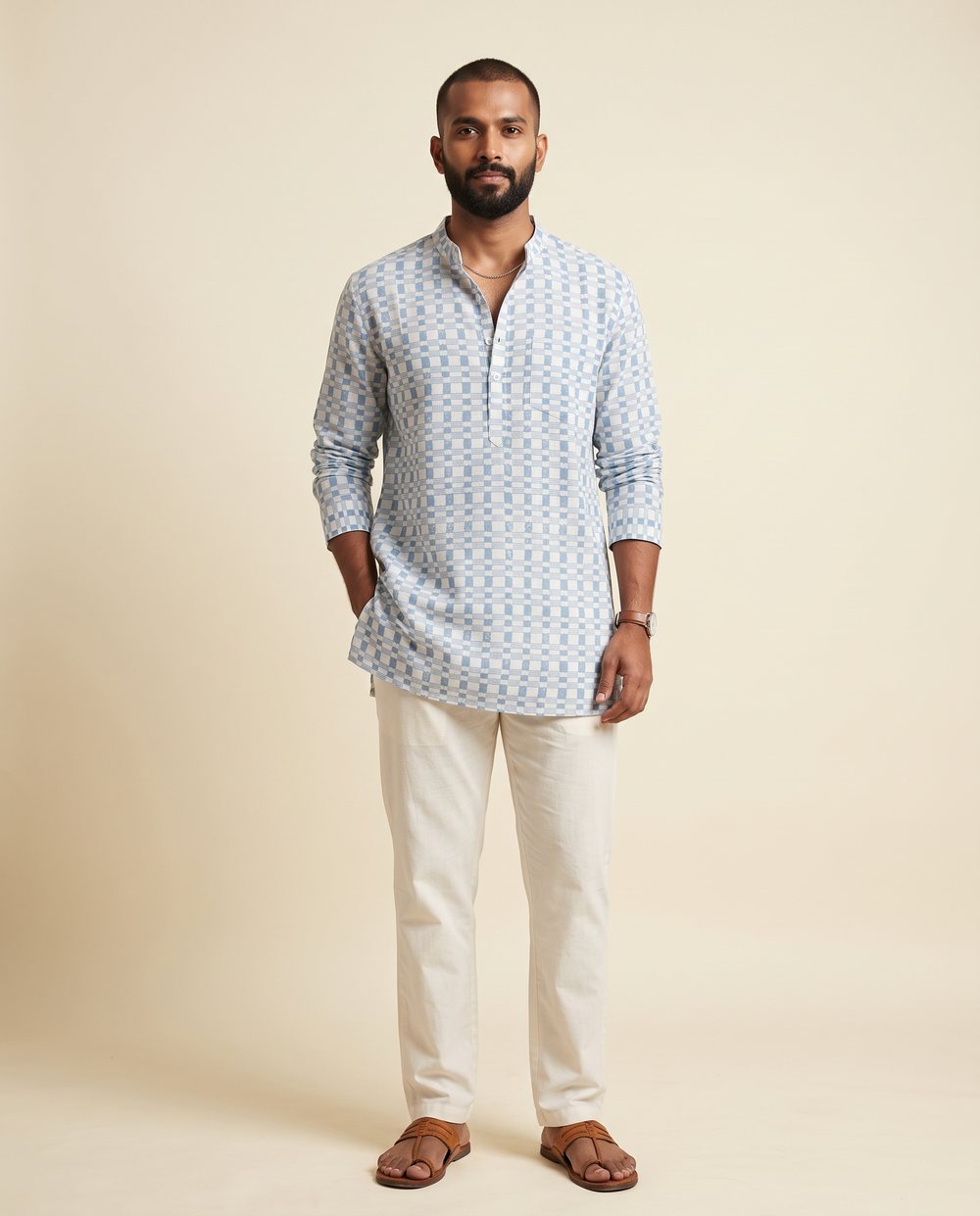
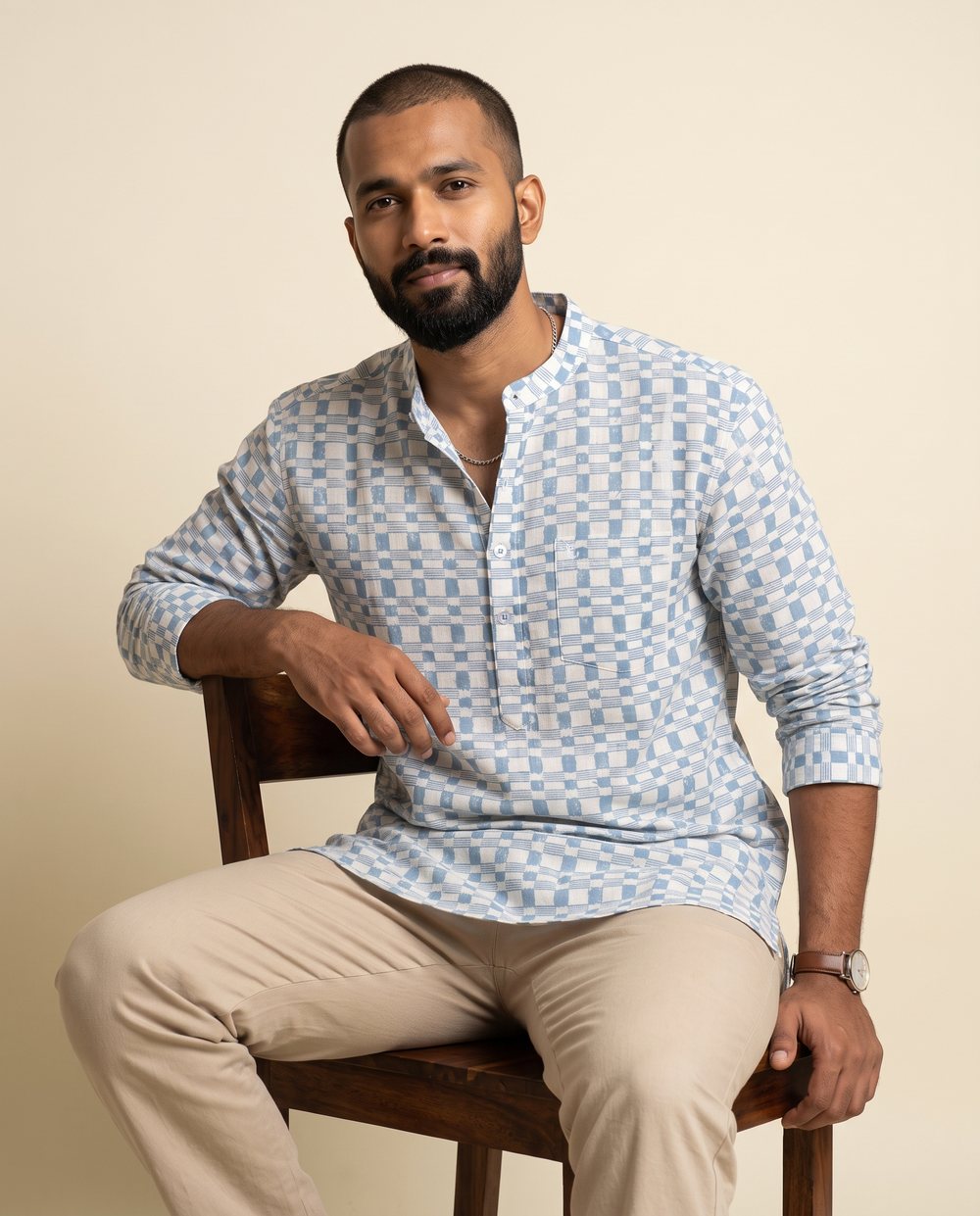
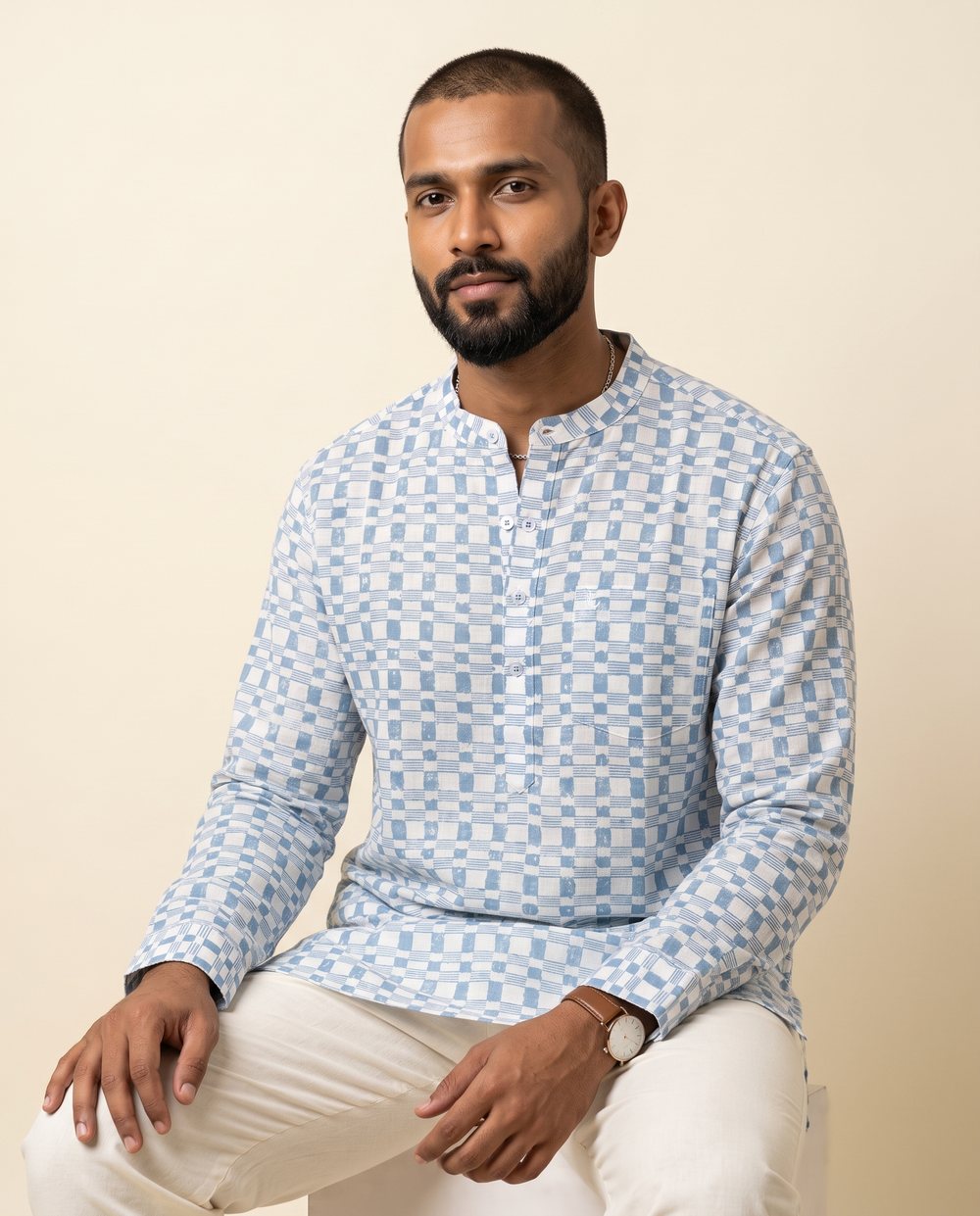
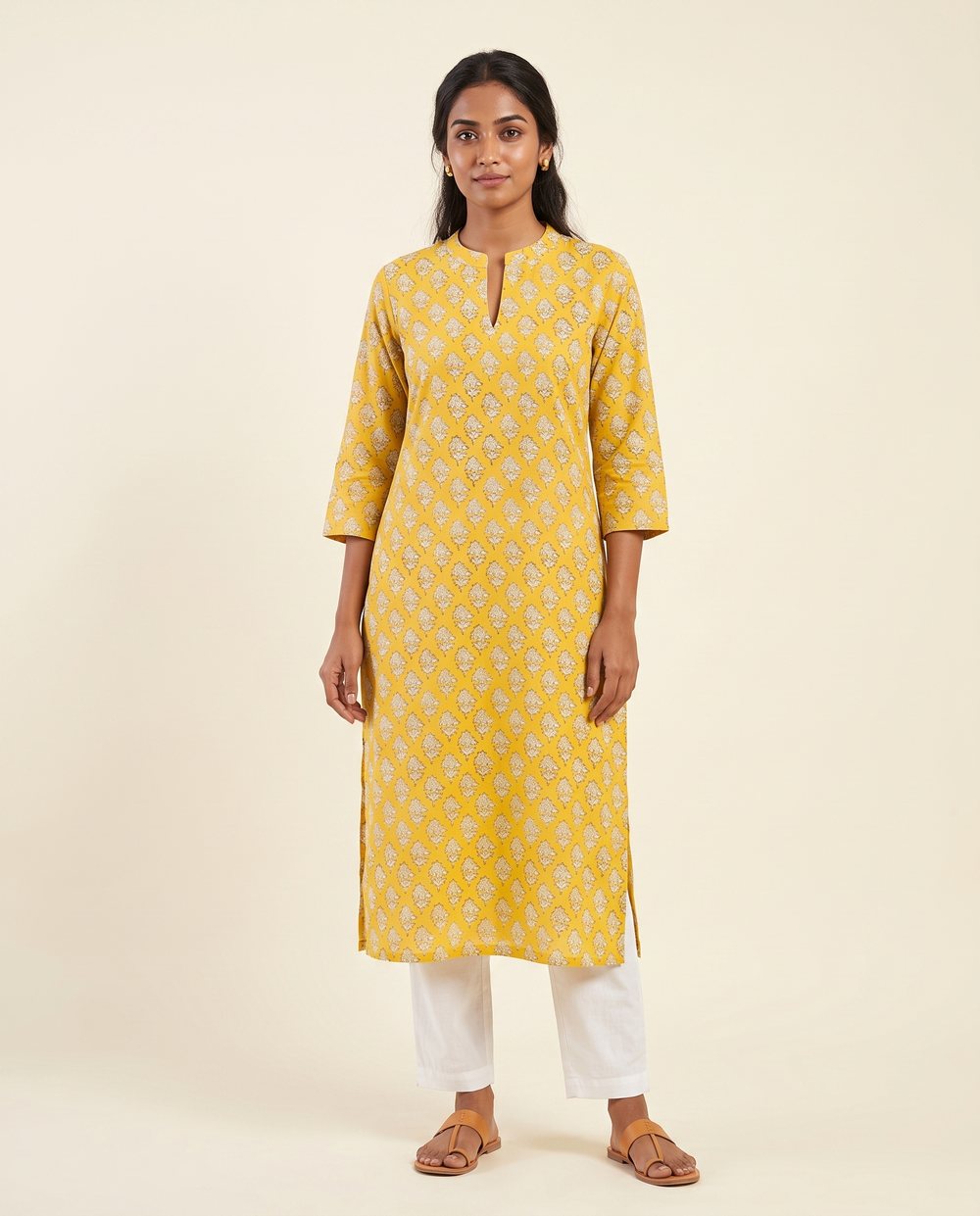
Cotton Cottage is a handblock brand with four stores and a catalogue that never stops moving. Every new piece needed a model, a studio and a day. We built them a tool that takes the product photo they already have and returns the model shots, in three poses, in minutes.


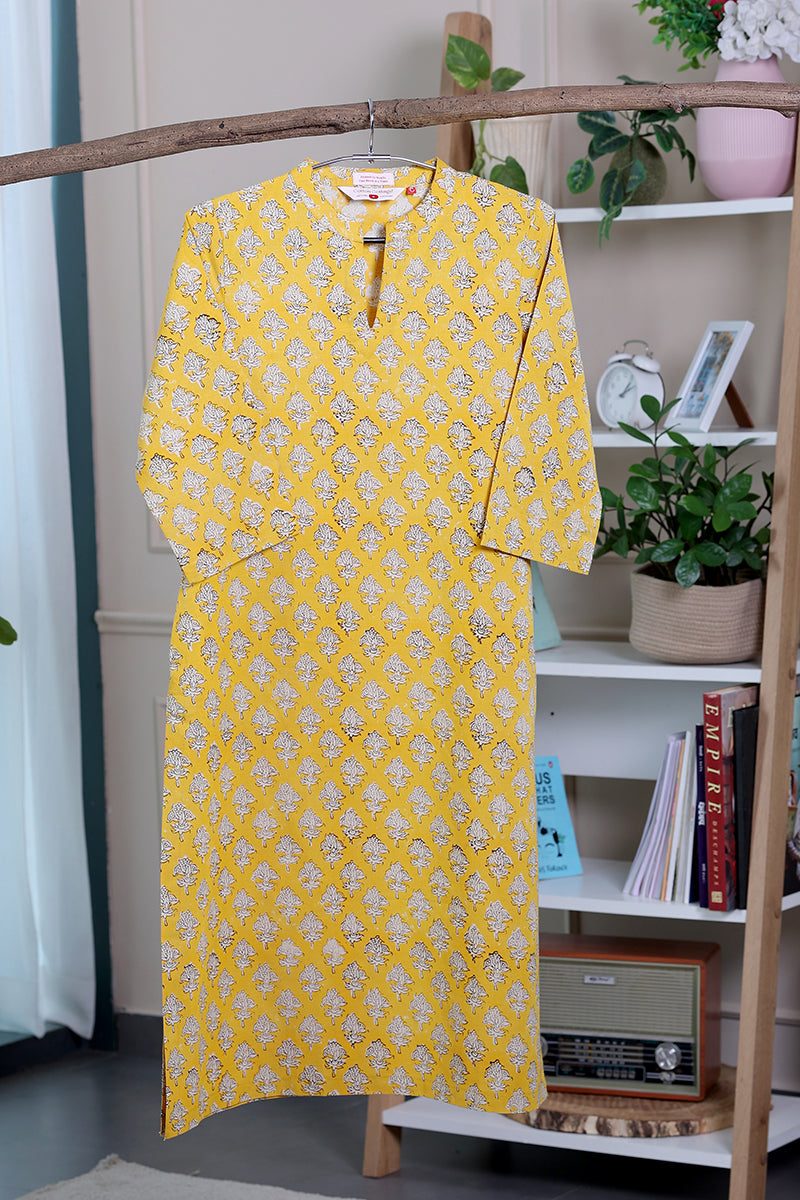
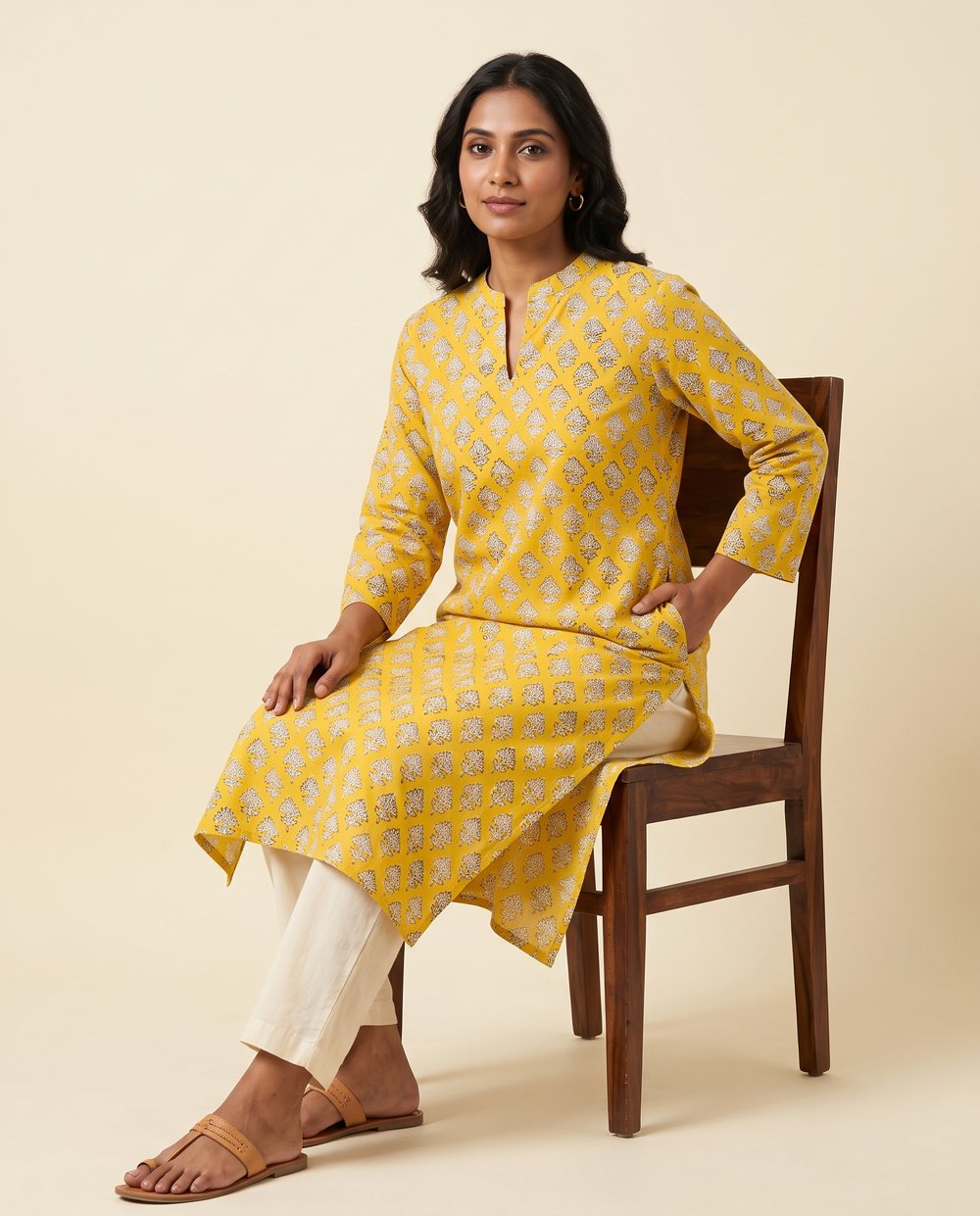
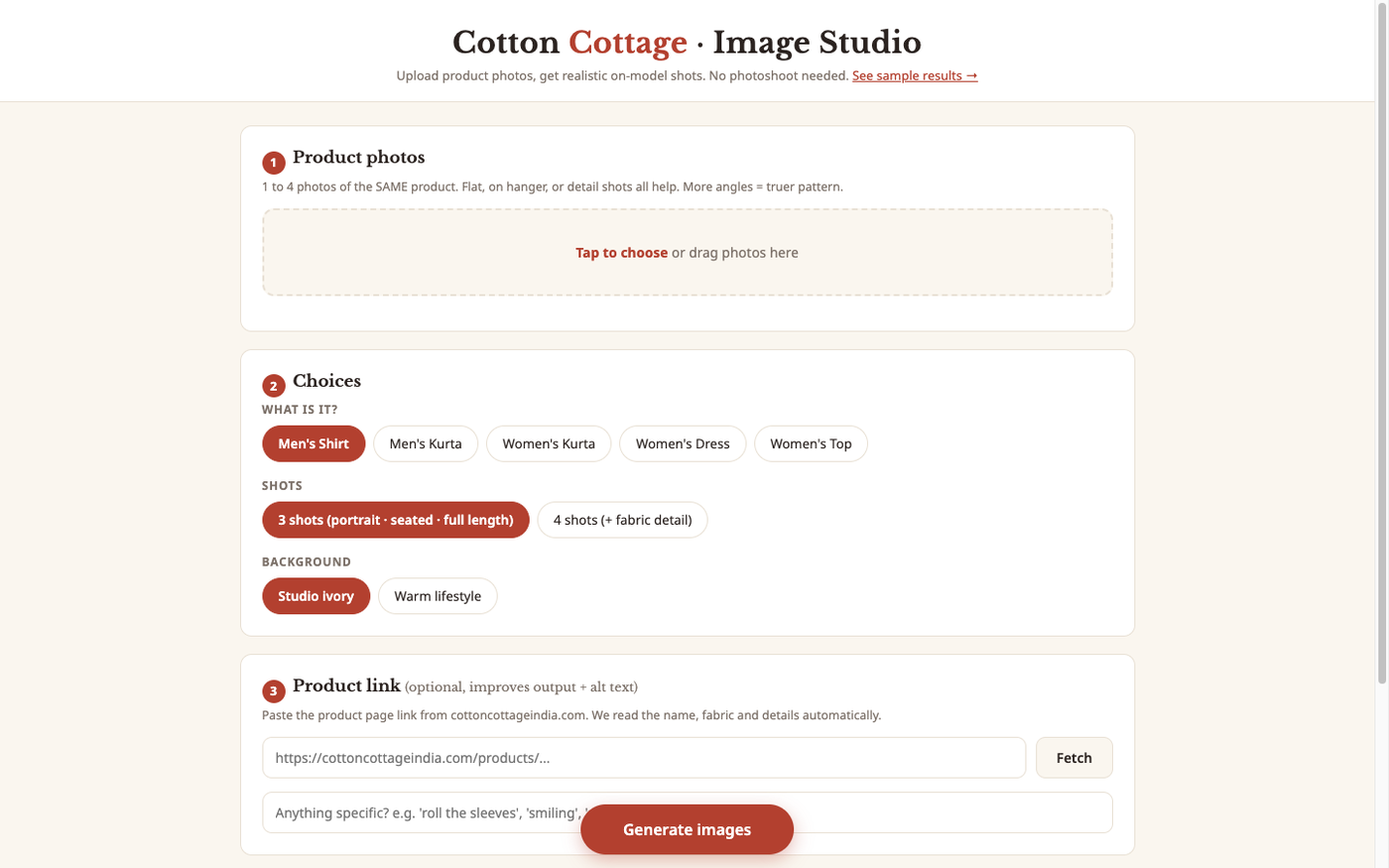
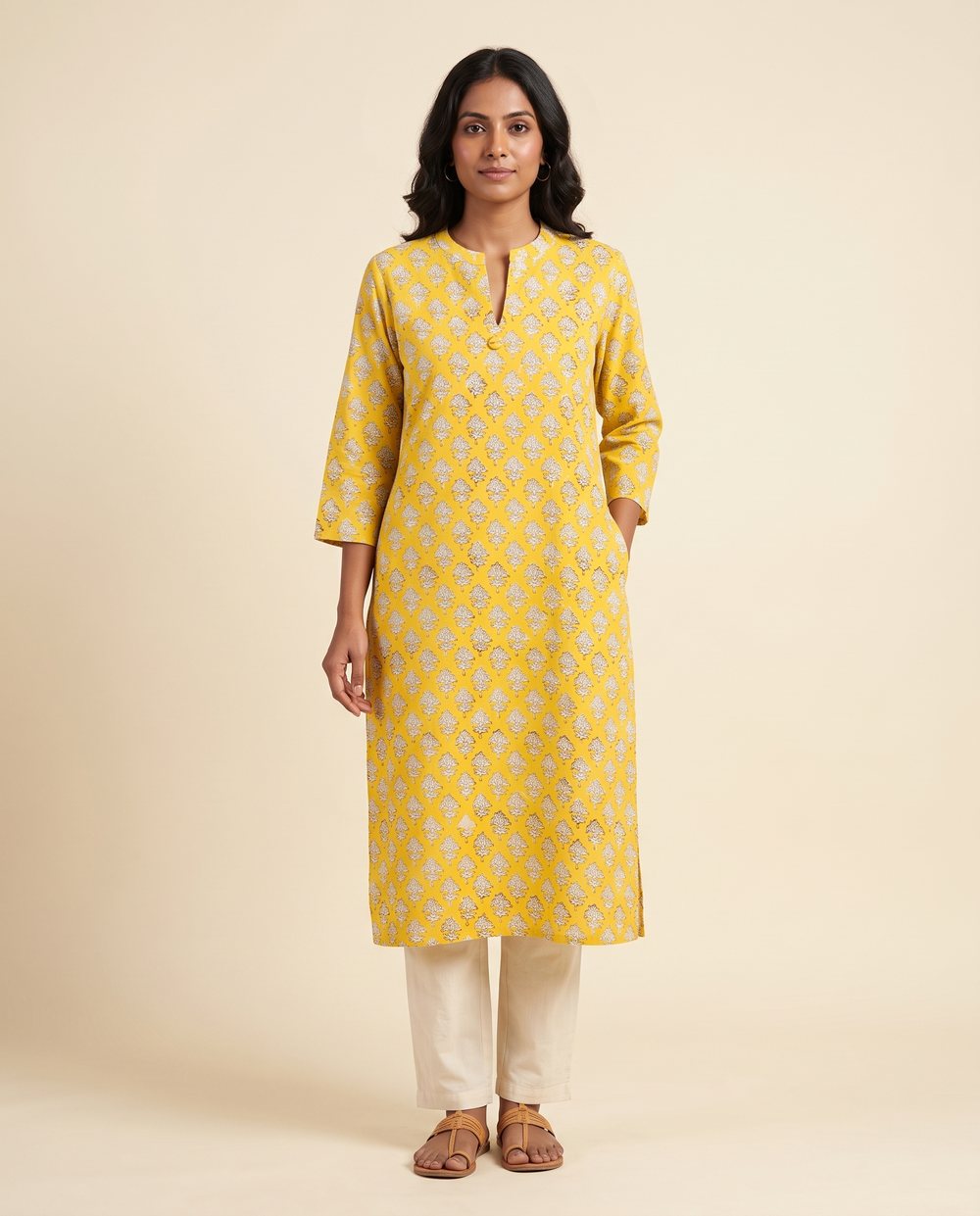
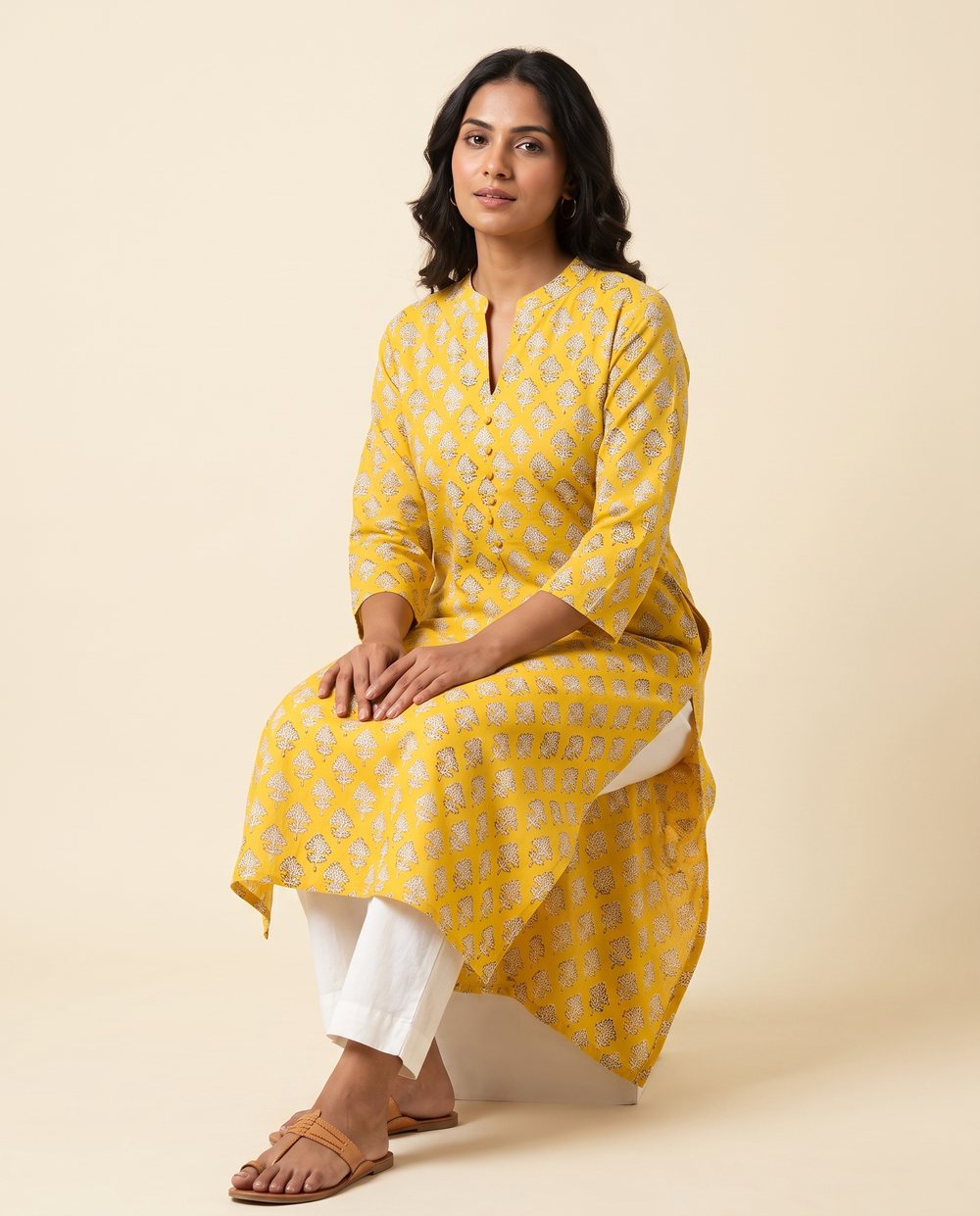
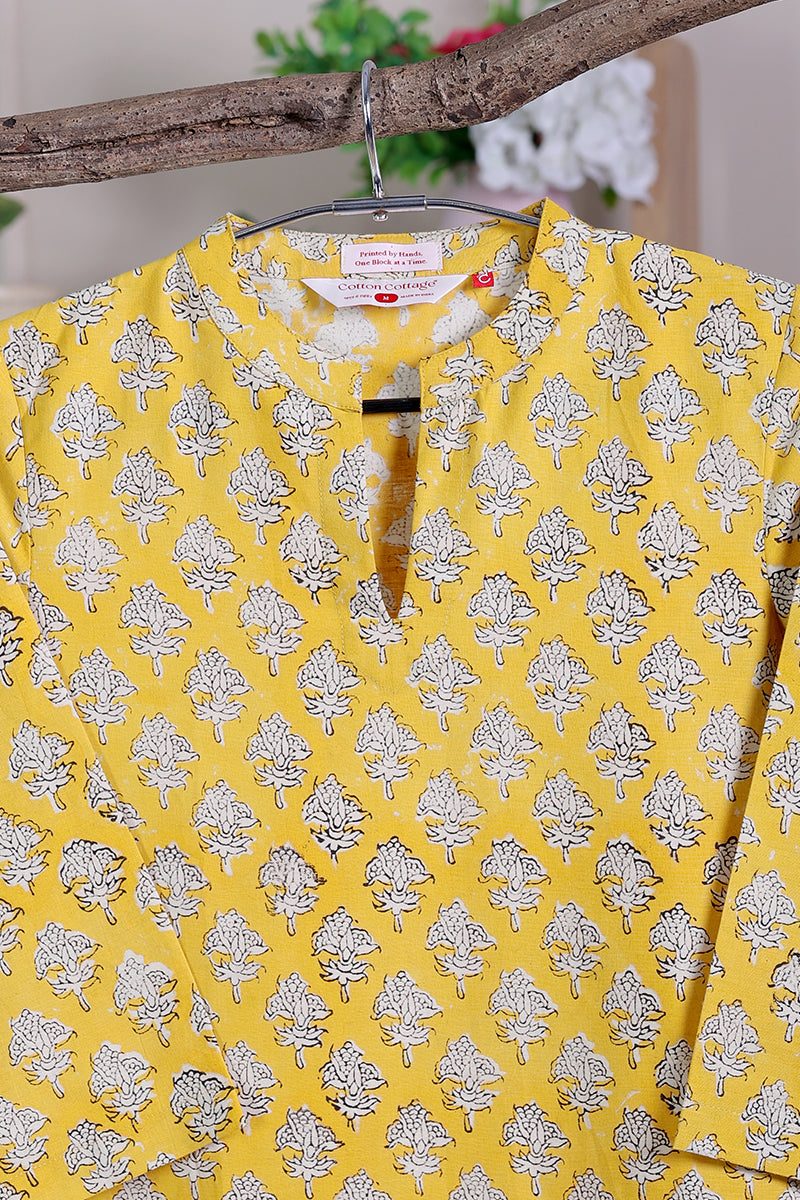
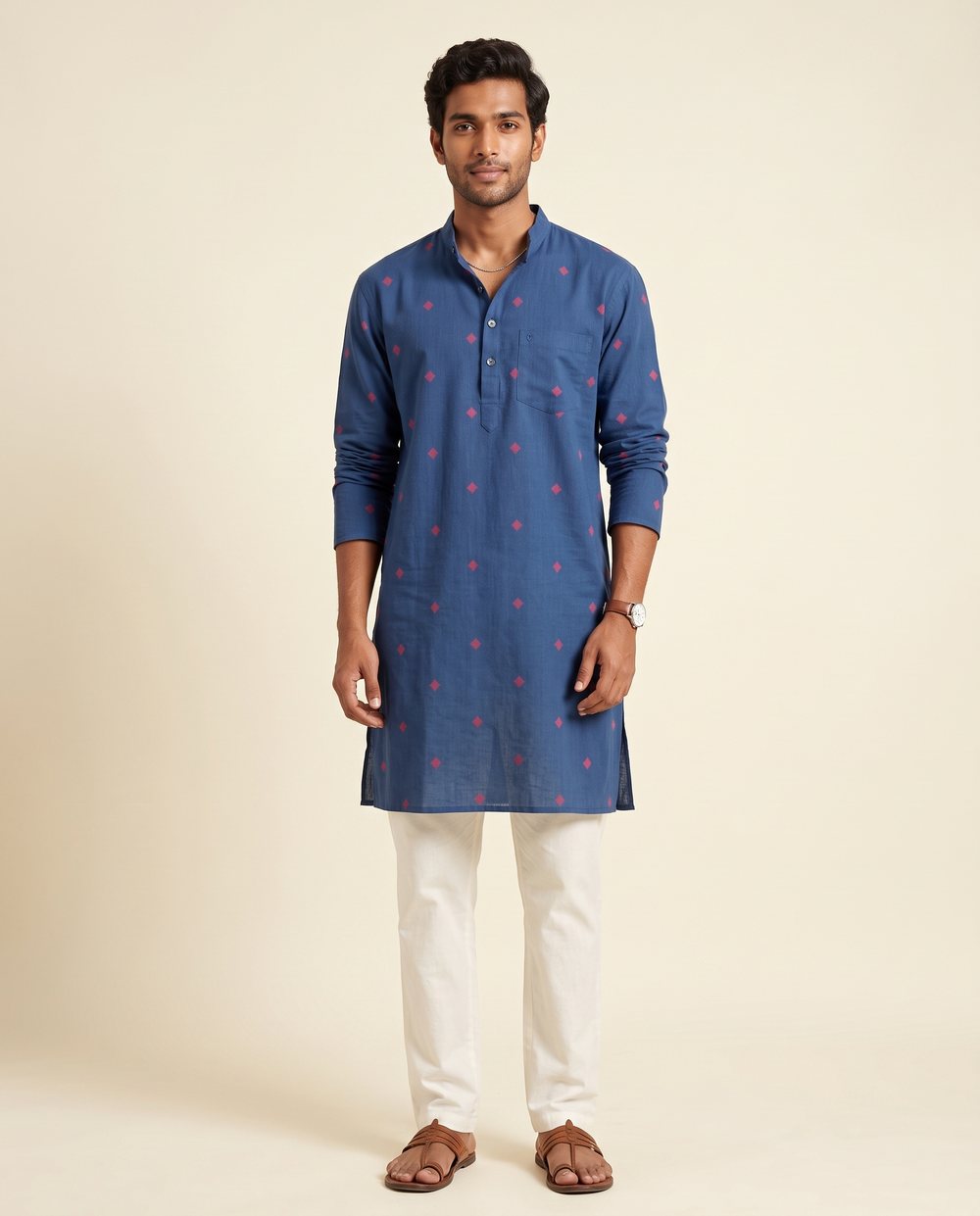
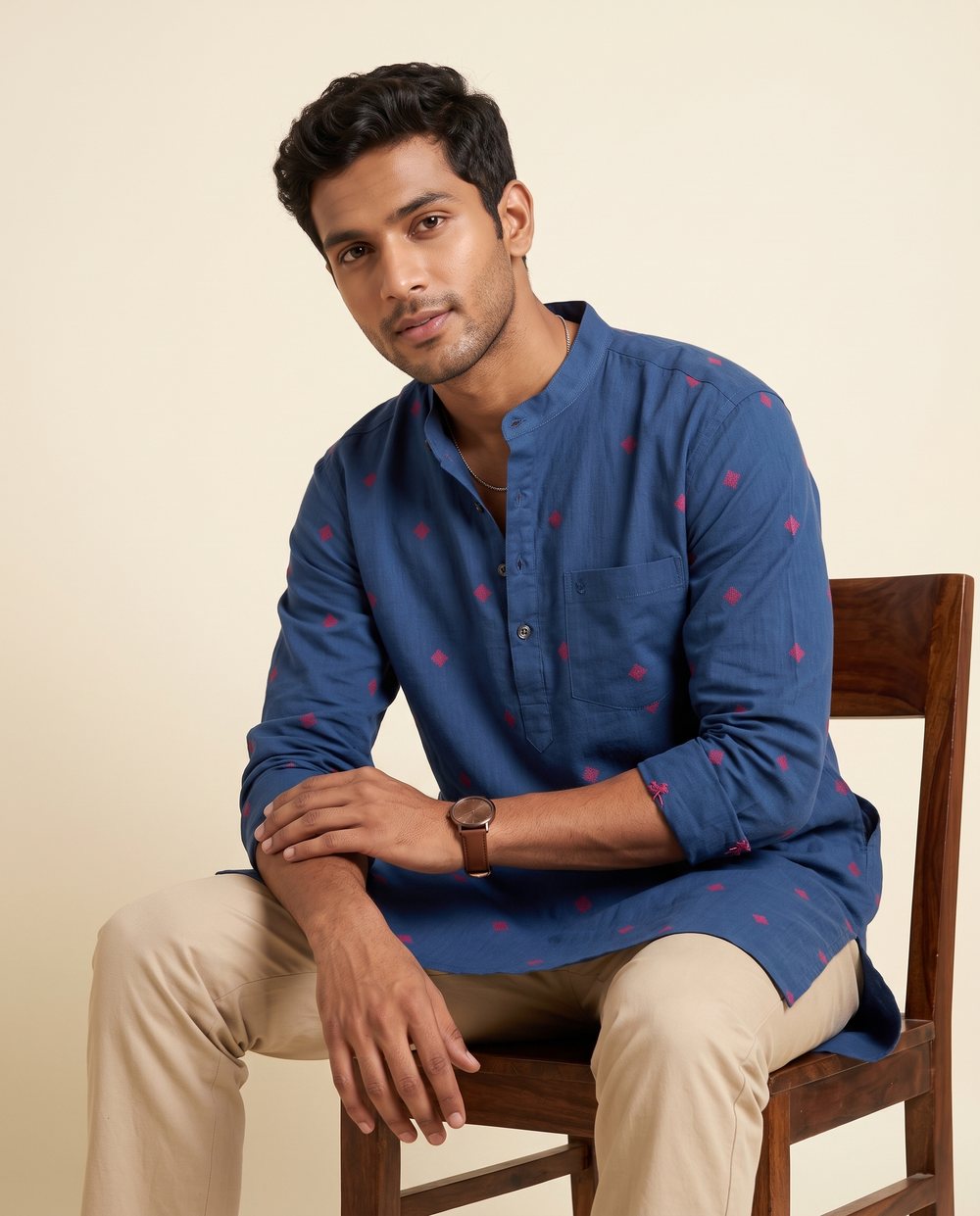
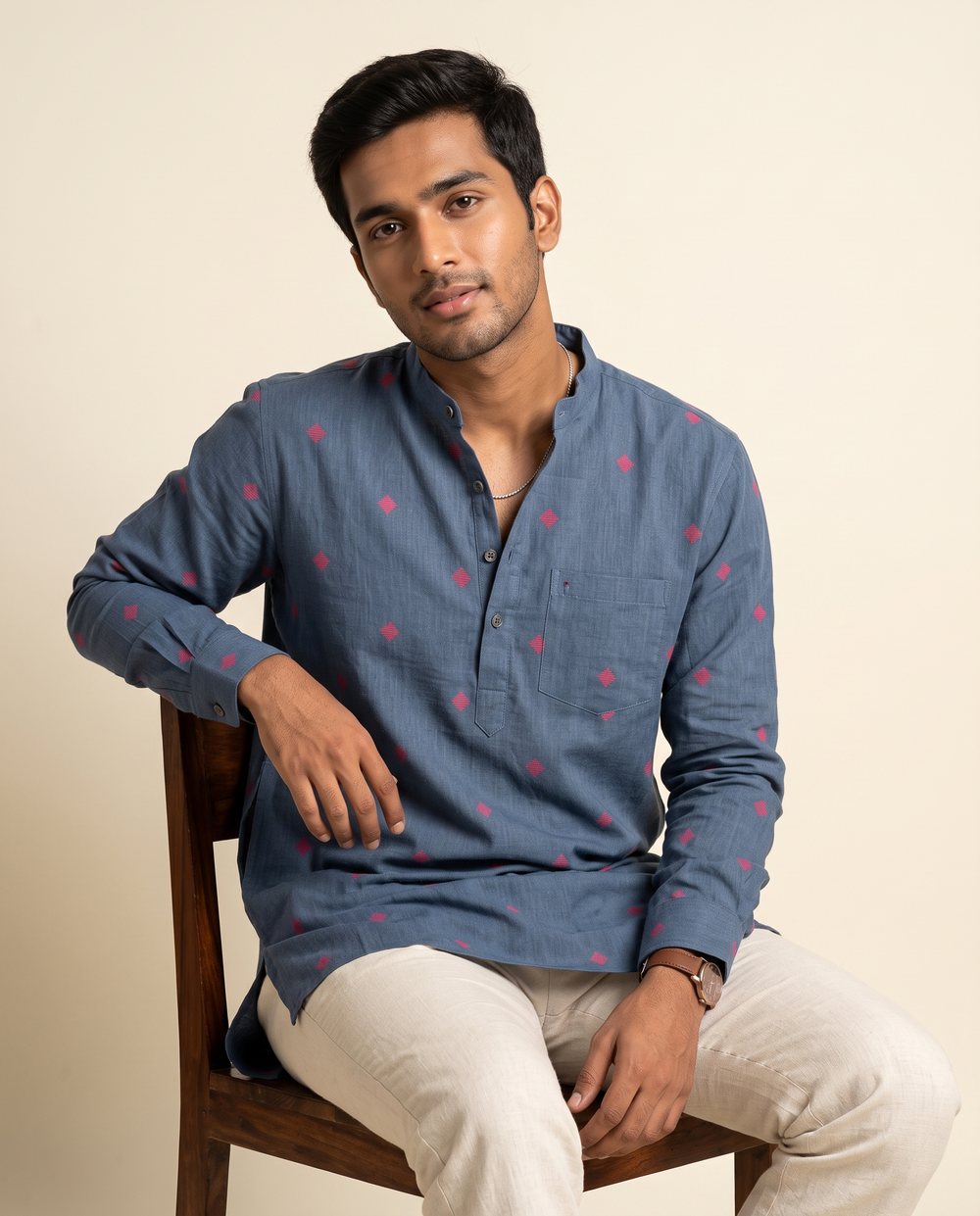
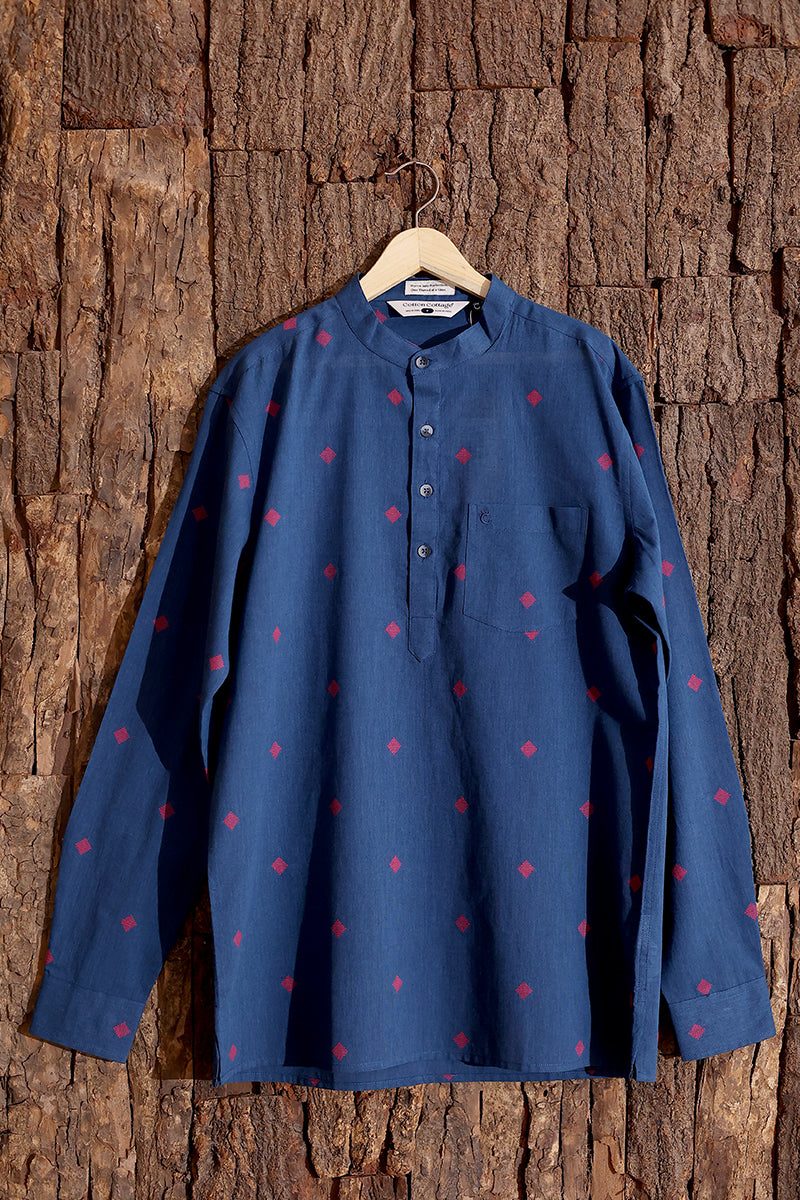
Same garment. Left is the photo the store already had. Right is the tool's output.
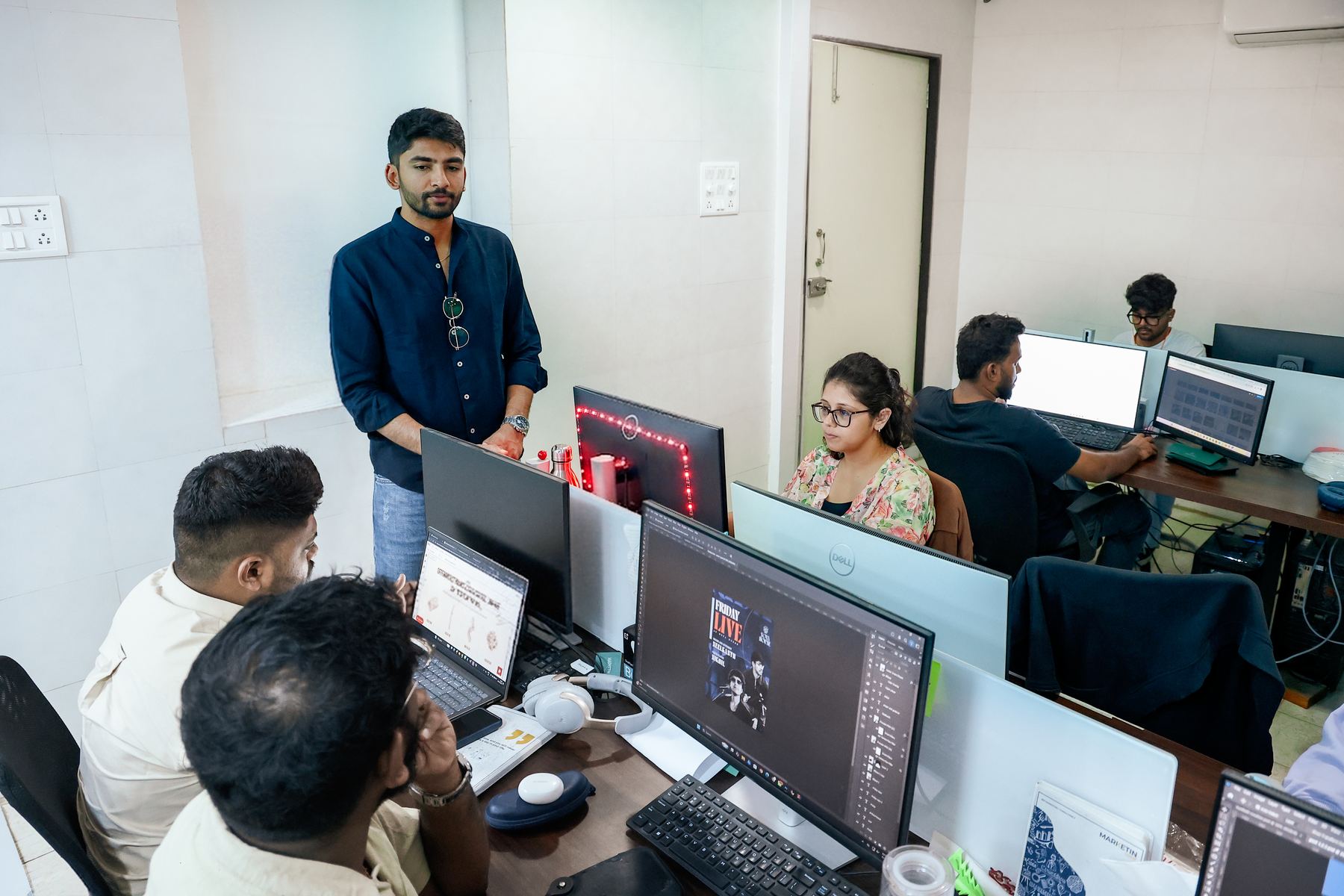
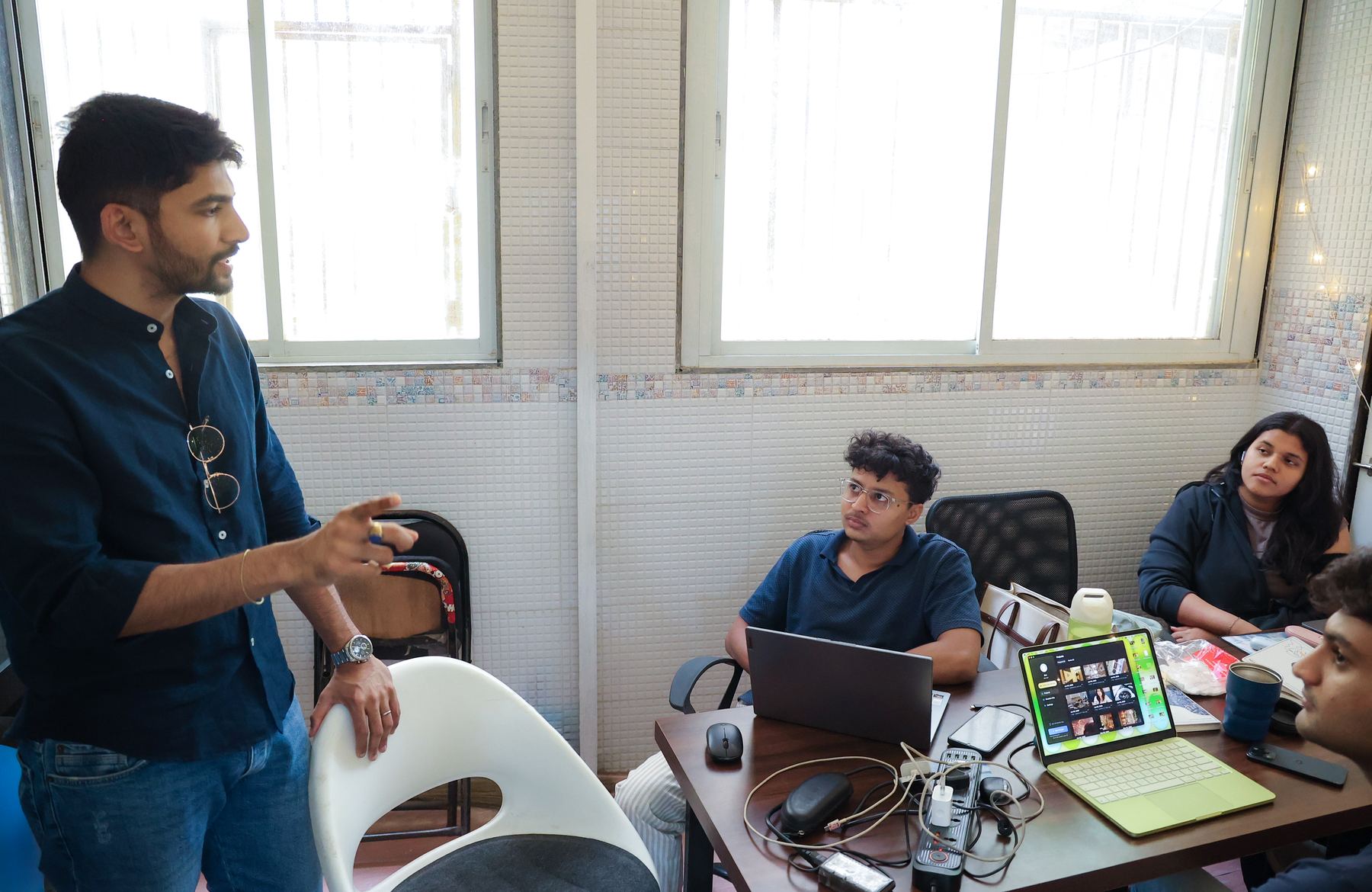
Founders and professionals talk to Manan. The building, testing and support happens here, in the room.
The whole value of a Sanganeri or an Ajrakh piece is how it falls on a person. A flat photo shows the print and hides the garment. But a shoot means a model, a studio, a stylist and a day, per drop, and the catalogue drops constantly.
Model, studio, stylist, retouch. Weeks of lead time for a collection that changes monthly.
Some products had model shots, some had a hanger. The store looked uneven.
Get the block print wrong and the picture is worse than useless. It has to be the actual fabric.
No prompt writing, no settings to learn. The team chooses what the garment is, which poses they want and what background, and the tool does the rest. It can even read the product straight off the store page.

One to five shots of the same piece. Flat, on a hanger, or detail shots. More angles help, they are not required.
Men's kurta, women's dress, shirt. That one choice sets the model, the fit and how the garment should hang.
Portrait, seated, full length, or a fourth fabric-detail frame. Studio ivory for the catalogue, warm lifestyle for social.
The tool opens the live store page and pulls the name, the fabric and the details itself. Nothing to type.
No prompt writing and no settings to learn. The team makes three choices and the tool does the rest.
Passcode gated, in the browser, works on a phone.
One to five shots of the same piece. More angles help, none are required.
Men's kurta, women's dress, shirt. One choice sets the model and the fit.
Portrait, seated, full length or detail. Studio ivory or warm lifestyle.
The block print and the construction have to survive. That is the whole build.
Same light, same ground, same crop, so a category page reads as one shoot.
No booked shoot per drop. The listing goes up with the stock.
Same light, same ground, same crop, every product, every time. That consistency is worth as much as the images: a category page finally looks like one shoot.


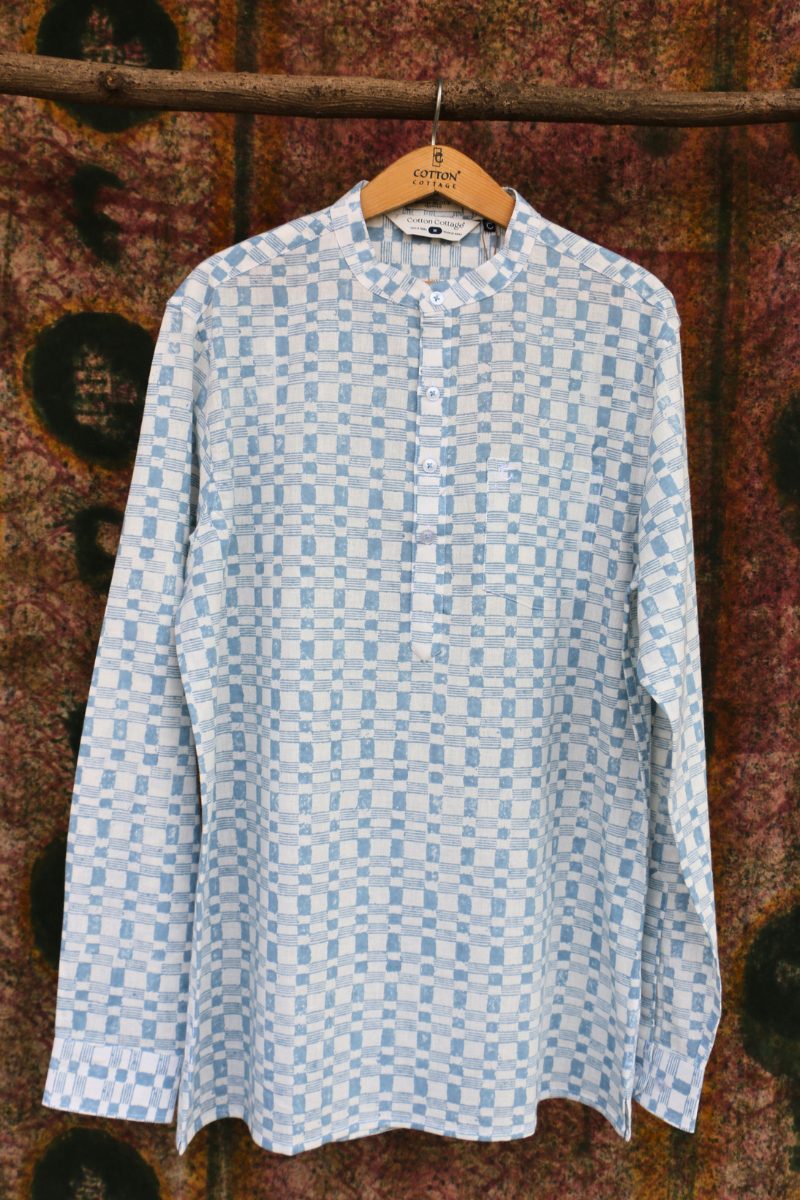
Every frame above came out of the tool from the product photo directly above it. Nothing retouched by hand.
A pretty picture of the wrong garment is a returns problem. The whole build was about constraint: the fabric, the block, the buttons and the cut have to survive, or the tool is worse than no tool.

Fashion, jewellery, furniture, anything you sell by how it looks. If a shoot stands between a new product and the website, there is usually a way around it.
Book a callarrow_forward